

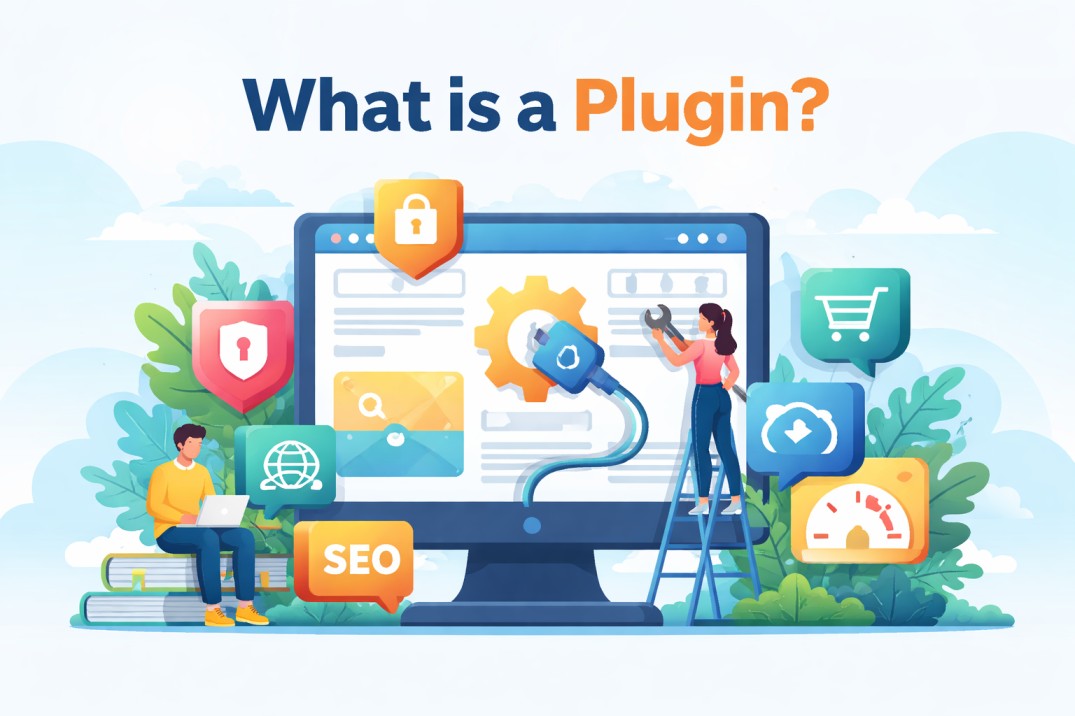
What is a Plugin?
Introduction
In the modern digital world, software and websites are becoming more powerful and customizable. One of the most important tools that help improve software functionality is the plugin. Many beginners often ask the question: What is a plugin? Understanding what is a plugin is very important for people who manage websites, create blogs, develop software, or work with online tools. A plugin is a small software component that adds new features to an existing program without changing its core structure. Instead of building complex features from the beginning, developers and users can simply install plugins that add the needed functionality.
When someone asks what is a plugin, the easiest explanation is that a plugin acts like an extension or add-on that improves a program’s capabilities. For example, website owners often install plugins to add contact forms, improve security, optimize search engines, or increase website speed. Plugins are also widely used in internet browsers, graphic design software, and video editing tools. Learning what is a plugin helps users understand how modern software systems remain flexible and easy to upgrade. With the help of plugins, users can customize their tools according to their needs without writing complex code.
Basic Definition of What is a Plugin
To understand clearly what is a plugin, we first need to define the concept in simple terms. A plugin is a small piece of software that connects to a larger application and adds new features or improves existing ones. The main program continues to function normally, but the plugin provides additional capabilities that were not included in the original software.
People often search for what is a plugin because they want to understand how software becomes more flexible. Instead of installing a completely new program, users can install a plugin to perform specific tasks. For example, a website platform may allow plugins that help manage SEO, create image galleries, or add online shopping features. Understanding what is a plugin makes it easier for beginners to see how modern applications are built using modular systems where each plugin performs a unique role.
How Plugins Work
To fully understand what is a plugin, it is important to learn how plugins work behind the scenes. Plugins operate by connecting to a software program through a predefined interface known as an API or integration point. This connection allows the plugin to communicate with the main program and perform additional actions without modifying the core system.
When users install a plugin, the software recognizes the plugin and allows it to interact with specific functions. For example, when someone installs an SEO plugin on a website, the plugin begins analyzing web pages and suggests improvements. This process demonstrates clearly what is a plugin and how it helps extend software capabilities. Because plugins work independently, they allow developers to keep the main software simple while still offering advanced functionality.
Types of Plugins
Website Plugins
Website plugins are one of the most common examples when explaining what is a plugin. These plugins are used in content management systems and website builders to add features such as forms, security protection, analytics tools, and performance optimization. Website plugins allow users to improve their websites without needing advanced programming knowledge.
Browser Plugins
Another example that explains what is a plugin is browser plugins. Browser plugins extend the functionality of internet browsers by adding useful tools. For example, browser plugins can block advertisements, translate languages, manage passwords, or save online content. These plugins help users customize their browsing experience according to their personal needs.
Software Application Plugins
Many professional software applications use plugins to expand their capabilities. Programs used for graphic design, video editing, audio production, and programming often rely on plugins to add advanced tools. When learning what is a plugin, it becomes clear that plugins allow professionals to enhance their workflow by installing specialized features designed for their industry.
Why Plugins are Important
Understanding what is a plugin also requires understanding why plugins are so important in modern technology. Plugins allow developers to build software in a modular way. Instead of adding every possible feature to the core system, developers can create a basic framework and allow users to install plugins for additional functionality.
When people learn what is a plugin, they realize that plugins help reduce development time and make software easier to maintain. Plugins also encourage innovation because developers around the world can create new plugins that improve existing platforms. For businesses, plugins provide quick solutions to common problems such as security threats, performance optimization, and user engagement.
Benefits of Using Plugins
There are many advantages that explain why understanding what is a plugin is useful for beginners and professionals. One major benefit is flexibility. Plugins allow users to customize software according to their specific needs. Instead of installing heavy applications with unnecessary features, users can simply add the plugins they require.
Another advantage of understanding what is a plugin is improved productivity. Plugins automate many tasks that would otherwise require manual work or coding. For example, plugins can automatically create backups, optimize images, track website analytics, or manage customer forms. This saves time and helps users focus on more important tasks.
Common Examples of Plugins
Real examples make it easier to understand what is a plugin. Website owners often install plugins that improve search engine optimization, protect websites from hackers, and speed up loading times. Online stores use plugins to add payment systems, product management tools, and customer tracking features.
Browsers also rely heavily on plugins to improve user experience. Some plugins help block unwanted advertisements, while others help users save passwords securely. These examples clearly demonstrate what is a plugin and how it improves the functionality of everyday digital tools.
Comparison Tables
Plugin vs Software Extension
| Plugin | Software Extension |
|---|---|
| Adds new features to a program | Expands existing features |
| Works within a specific system | May work across multiple systems |
| Focused functionality | Broader improvements |
Plugin vs Add-on
| Plugin | Add-on |
|---|---|
| Provides functional tools | Often improves user interface |
| Common in websites | Common in browsers |
| Requires integration | Mostly optional feature |
Free Plugin vs Paid Plugin
| Free Plugin | Paid Plugin |
|---|---|
| No installation cost | Requires purchase |
| Limited features | Advanced features |
| Community support | Professional support |
Website Plugin vs Browser Plugin
| Website Plugin | Browser Plugin |
|---|---|
| Used by website owners | Used by internet users |
| Improves website features | Improves browsing experience |
| Installed in website platform | Installed in browser |
Plugin vs Built-in Feature
| Plugin | Built-in Feature |
|---|---|
| Installed separately | Already included |
| Optional | Permanent |
| Can be removed anytime | Usually fixed |
How to Install a Plugin
After learning what is a plugin, the next important step is understanding how plugins are installed. Most platforms provide a plugin library where users can search for plugins and install them with a single click. Once installed, the plugin becomes active and begins working within the system.
Understanding what is a plugin helps users select plugins that match their needs. For example, website owners might install plugins for SEO optimization, security protection, and backup management. These plugins help improve the overall performance and reliability of websites.
Things to Consider Before Installing Plugins
Although plugins are extremely useful, it is important to understand the risks as well. Installing too many plugins can slow down software performance. When learning what is a plugin, users should also understand the importance of selecting high-quality plugins from trusted developers.
Plugins should always be updated regularly because outdated plugins may create security vulnerabilities. Responsible plugin management ensures that software remains stable and secure while still benefiting from additional features.
Conclusion
In conclusion, understanding what is a plugin is essential for anyone working with modern digital tools. A plugin is a small but powerful software component that adds new functionality to an existing application. Instead of modifying the core system, users can simply install plugins that perform specific tasks. This makes software more flexible, customizable, and efficient.
Throughout this guide, we explored what is a plugin, how plugins work, the different types of plugins, and the benefits they provide. Plugins play a major role in website development, browser customization, and professional software applications. By learning what is a plugin, users gain the ability to enhance their digital tools without complicated programming knowledge. When used responsibly and selected carefully, plugins can greatly improve the performance, functionality, and user experience of modern software systems.